


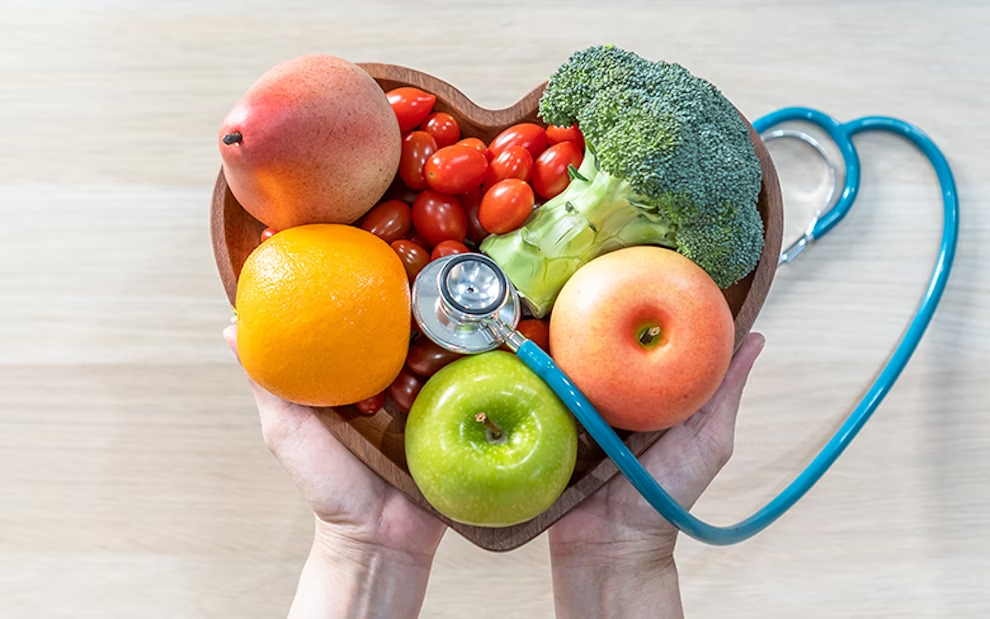
Health Food Tips: Simple Habits for a Stronger, Healthier Body
In today’s fast-paced lifestyle, eating healthy isn’t just a choice — it’s a necessity. The food you eat directly affects your energy, immunity, mood, and long-term wellness. But healthy eating doesn’t have to be boring, expensive, or complicated. With the right approach, you can enjoy delicious meals while nourishing your body. These practical and effective health food tips will help you make smarter food decisions every day.
1. Choose Whole Foods Over Processed Options
One of the golden rules of healthy eating is to opt for whole foods.
- Whole foods include vegetables, fruits, whole grains, nuts, seeds, legumes, and lean meats.
- Processed foods are often loaded with sugar, salt, preservatives, and unhealthy fats.
- Eating closer to nature provides your body with more fiber, antioxidants, and essential nutrients.
Whole foods support digestion, heart health, and reduce the risk of chronic diseases.
2. Make Colorful Plates for Balanced Nutrition
A simple yet powerful health food tip is to eat a variety of colors.
- Different colors in fruits and vegetables represent different nutrients.
- Aim to include greens (like spinach), reds (like tomatoes), oranges (like carrots), and purples (like berries) in your meals.
- Colorful meals ensure a wide range of vitamins, minerals, and antioxidants.
The more colors you eat, the better balanced your nutrient intake will be.
3. Don’t Skip Healthy Fats
Fat is not your enemy — unhealthy fats are. Your body needs healthy fats to function properly.
- Include sources like avocado, nuts, seeds, olive oil, and fatty fish.
- Avoid trans fats and limit saturated fats found in fried or processed foods.
- Healthy fats help with brain function, hormone balance, and nutrient absorption.
Incorporating good fats into your meals supports heart health and keeps you full longer.
4. Add Fiber to Every Meal
Fiber is essential for gut health, weight management, and maintaining steady energy.
- Get fiber from whole grains, legumes, fruits, vegetables, and seeds like chia or flaxseed.
- Fiber keeps you full longer and supports a healthy digestive system.
- Aim for 25–30 grams of fiber per day.
A fiber-rich diet also helps lower cholesterol and control blood sugar levels.
5. Watch Out for Hidden Sugars
Even foods that seem healthy can be loaded with hidden sugars.
- Read nutrition labels carefully — sugar may appear as high-fructose corn syrup, maltose, dextrose, etc.
- Limit sugary snacks, sweetened drinks, flavored yogurts, and sauces.
- Choose natural sweeteners like honey, maple syrup, or dates in moderation.
Cutting down on sugar can lead to better energy, clearer skin, and reduced belly fat.
6. Prepare More Meals at Home
Cooking at home gives you full control over ingredients and portion sizes.
- Batch-cook meals for the week to save time and money.
- Use herbs and spices instead of excess salt or unhealthy sauces.
- Get creative with healthy recipes and involve your family in meal prep.
Home-cooked food is often fresher, more nutritious, and tailored to your health goals.
7. Stay Hydrated With Nutritious Fluids
Water is vital, but you can also include nutritious drinks in your day.
- Drink plenty of water — aim for 8–10 glasses daily.
- Include herbal teas, lemon water, or infused water for added flavor and benefits.
- Limit sugary beverages and energy drinks.
Proper hydration supports metabolism, flushes out toxins, and prevents overeating.
8. Plan Smart Snacking
- Keep nuts, fruits, roasted chickpeas, or boiled eggs handy as smart snack options.
- Avoid packaged snacks high in sodium, sugar, or preservatives.
- Choose snacks that include a mix of protein, fiber, and healthy fats.
Mindful snacking helps maintain energy levels and prevents unnecessary calorie intake.
9. Portion Your Meals Wisely
Eating healthy also means eating the right amount.
- Use smaller plates to control portion size and prevent overeating.
- Visualize proper portions: half your plate should be veggies, a quarter protein, and a quarter carbs.
- Avoid eating straight from bags or containers — always serve a portion.
Proper portion control supports digestion and weight management.
10. Eat Mindfully and Slowly
How you eat is just as important as what you eat.
- Chew slowly and enjoy the taste and texture of your food.
- Avoid distractions like phones or TV during meals.
- Mindful eating helps you recognize hunger cues and prevents emotional eating.
This practice improves digestion and strengthens your relationship with food.
Making small changes to your diet using these health food tips can have a big impact on your overall well-being. Instead of following extreme diets or trends, focus on consistency, balance, and nourishment. By being intentional with your food choices, you’ll not only feel better today but also set yourself up for a healthier future.